Why insulin resistance matters for hormones — the specific mechanisms
Insulin is not just a blood sugar hormone. It is a metabolic signaling molecule that communicates with the ovaries, liver, hypothalamus and fat tissue — every node of the female hormonal system. When insulin signaling is impaired, the downstream effects are specific and significant.
Ovarian androgen production. Ovarian theca cells have insulin receptors. Chronically elevated insulin drives excess androgen production — the primary mechanism by which insulin resistance produces the elevated testosterone of PCOS. Improving insulin sensitivity directly reduces ovarian androgen production. This is why inositol and metformin produce cycle improvements in PCOS.
SHBG suppression. Insulin suppresses liver SHBG production. SHBG buffers sex hormones. When SHBG is low, free testosterone and free estrogen are elevated — amplifying androgen effects and contributing to estrogen dominance in women with chronic insulin elevation.
Hypothalamic disruption. Chronic insulin elevation disrupts pulsatile GnRH release — the master signal that drives LH and FSH and therefore ovulation and cycle regularity. Read more about irregular periods and their hormonal causes.
The cycle connection — why insulin sensitivity changes every week
The menstrual cycle produces a natural monthly variation in insulin sensitivity with profound implications for nutrition and body composition.
Follicular phase — peak insulin sensitivity. Rising estrogen directly improves skeletal muscle insulin sensitivity. Glucose uptake is efficient. Carbohydrates are directed to muscle glycogen and brain fuel rather than fat storage. This is the optimal window for higher carbohydrate meals and carbohydrate loading around training.
Luteal phase — relative insulin resistance. Progesterone reduces insulin sensitivity in skeletal muscle. The same meal produces a larger insulin response. Glucose is directed more toward fat storage. Reducing refined carbohydrates in the late luteal phase and increasing protein and complex carbohydrates produces measurably better blood sugar stability and hormonal outcomes.
This variation is the nutritional foundation of cycle syncing — matching carbohydrate type and timing to the hormonal environment where they are most effectively used. Read the complete phase-specific nutrition guide at the cycle syncing diet plan.
What actually improves insulin sensitivity — the evidence hierarchy
Resistance training. Skeletal muscle is the primary site of insulin-mediated glucose disposal. More muscle mass means more insulin-sensitive tissue. Compound resistance training builds this tissue and improves insulin receptor sensitivity independently of weight loss. Even a single session improves sensitivity for 24 to 48 hours. Read more at why women need different training than men.
Protein at every meal. Protein stimulates glucagon and incretin hormones that improve insulin response. 25 to 35g of protein at breakfast specifically produces measurably better blood sugar stability and insulin sensitivity throughout the day. Minimum 1.6g per kg bodyweight daily.
Magnesium. Deficiency is independently associated with insulin resistance. Magnesium is a cofactor for insulin receptor function. 375mg magnesium glycinate daily addresses this while also supporting cortisol, sleep and PMS. Read the complete guide at magnesium glycinate for women.
Myo-inositol for PCOS. 2g to 4g daily — strongest non-pharmaceutical evidence for improving insulin sensitivity in PCOS. Multiple randomised controlled trials show improvements in insulin sensitivity, ovulation rate and cycle regularity. Read more at PCOS and cycle syncing.
Sleep. Even one week of 6 versus 8 hours produces measurable insulin resistance. Sleep is an active insulin sensitivity intervention — not passive wellness advice.
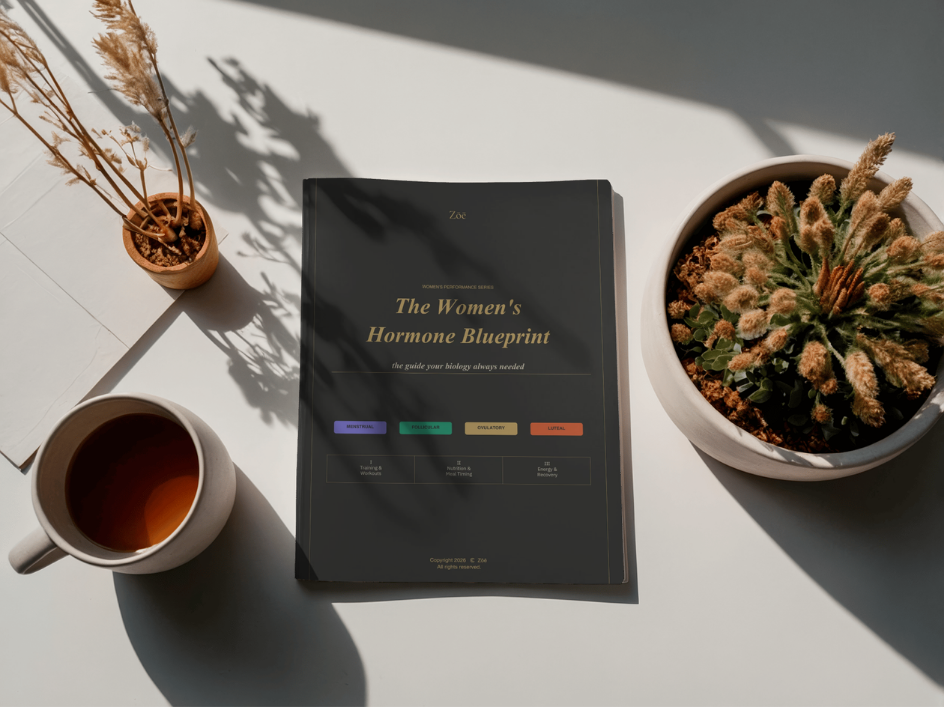
The complete nutritional framework — carbohydrate timing by phase, protein targets, supplement protocol and training approach — is in The Women's Hormone Blueprint.