The five signs worth paying attention to
Soreness that lingers well past the usual 24 to 48 hours. If a familiar workout suddenly leaves you sore for three or four days, your recovery capacity has shifted — not your fitness level.
Hunger that spikes without warning. A jump in appetite in the days before your period is a real physiological response to falling progesterone and rising metabolic demand, not a lack of discipline.
Sessions that feel disproportionately hard. The same weight, pace or class that felt manageable two weeks ago suddenly feeling much harder is a common luteal-phase experience tied to lower available fuel and higher cortisol sensitivity.
Sleep that gets worse right before your period. Elevated progesterone raises body temperature slightly, disrupting the temperature drop that normally initiates deep sleep — which compounds every other symptom on this list.
Motivation that seems to vanish for no reason. Falling estrogen reduces serotonin and dopamine sensitivity in the premenstrual days, which can look like a lack of willpower but is a measurable neurochemical shift.
What each sign is actually telling you
None of these signs mean something is wrong with you. They mean your hormonal cycle is doing exactly what it is supposed to do — and your training plan has not been told about it. Estrogen and progesterone are not a footnote to your fitness; they are actively shaping your recovery capacity, appetite regulation, sleep quality and motivation every single week.
What to do once you notice the pattern
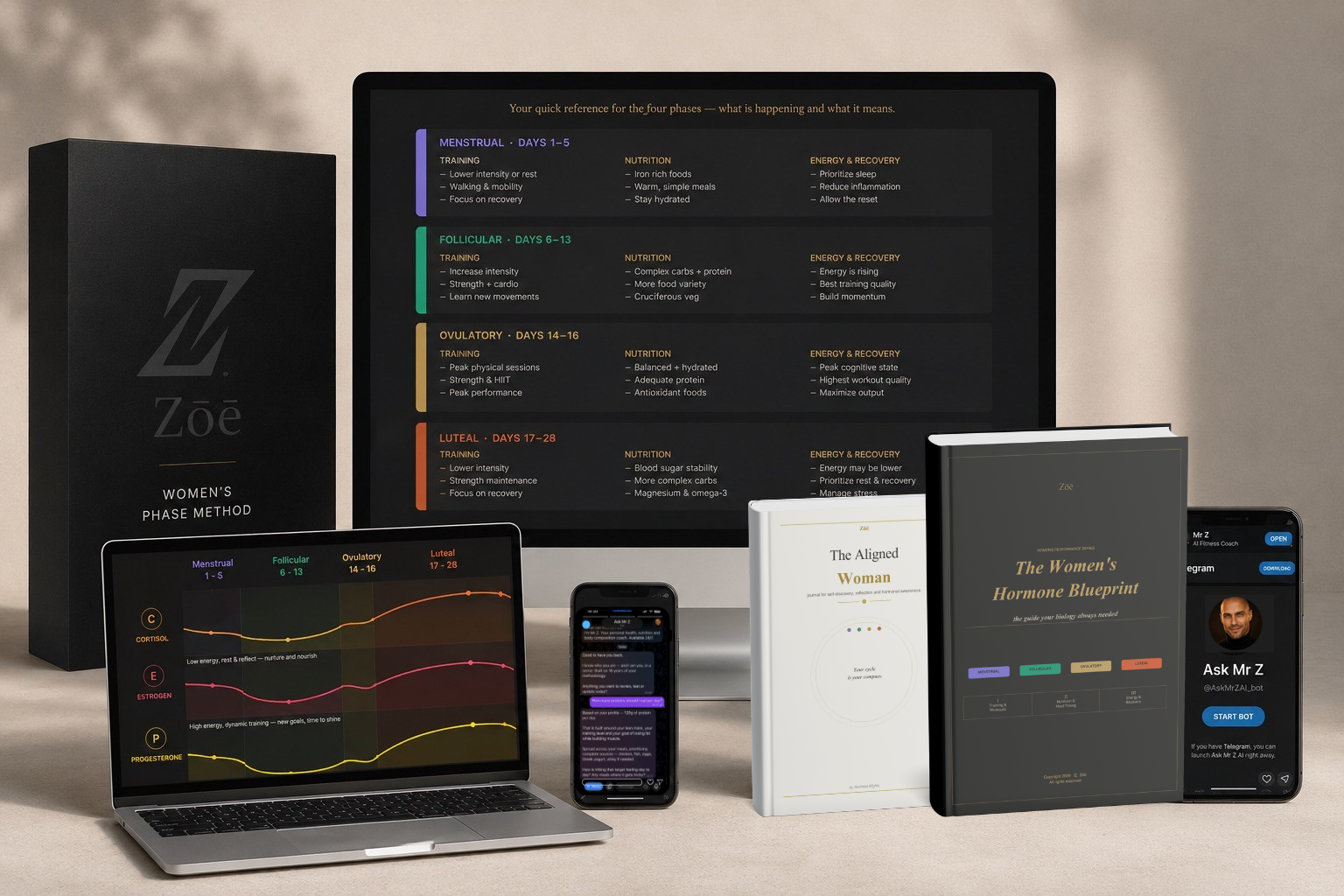
The first step is simply tracking which phase each sign shows up in. Once you see the pattern — that the soreness, the hunger, the harder sessions all cluster in the same window every month — you can start adjusting training volume and intensity ahead of time instead of reacting to it after the fact. This is the entire premise behind how Zōē structures every client's plan.
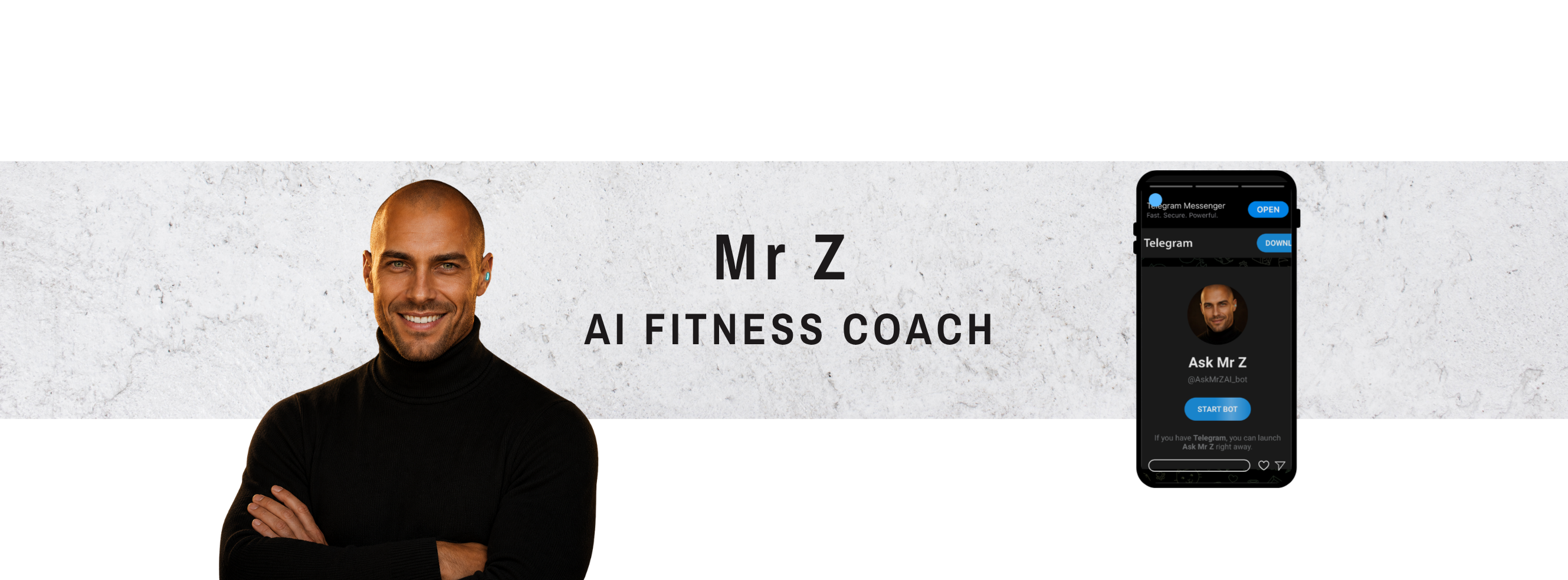
Alongside Andreea and Francesco's direct coaching, The Zōē Method includes access to Mr Z — an AI coaching assistant built by Francesco Zen on ZTraining's 18-year coaching methodology, available via Telegram between sessions for real-time questions on training days, travel, and nutrition choices.
Andreea Mighiu is a women's hormonal health educator and the founder of Zōē. She works alongside a registered dietitian and an endocrinologist to ensure content reflects current clinical understanding. She is an educator, not a physician — Zōē's content is designed to inform, not to replace personalised medical advice.