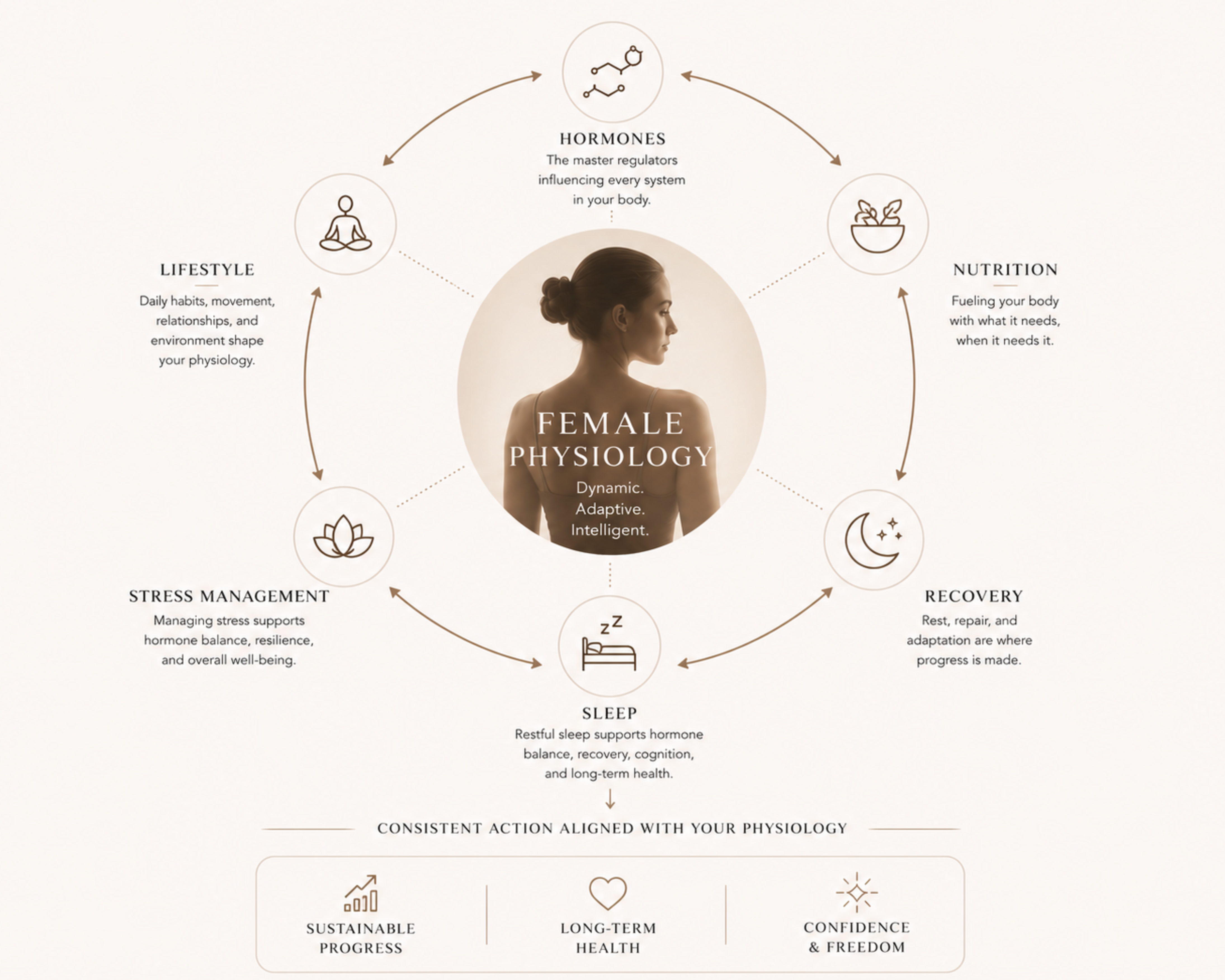
The honest timeline, phase by phase
Weeks 1 to 2: Mostly adjustment. You are learning to track your cycle in relation to your training and nutrition for likely the first time, and a coach is calibrating your plan to your actual patterns rather than a generic assumption. Energy and sleep often improve first, before anything visible changes.
Weeks 3 to 6, roughly one full cycle: You start to notice your own patterns — which days you recover fastest, which week strength peaks, when appetite genuinely shifts. Training becomes easier to trust because it finally matches what your body is telling you.
Weeks 7 to 12, two to three cycles in: This is typically when visible physical changes — body composition, strength gains, consistency without burnout — become clear, because your plan has now been calibrated across multiple real cycles rather than a single estimated one.
Why consistency matters more than speed
A program that promises fast results independent of your actual cycle is usually applying pressure that works against your biology rather than with it — pushing maximal effort in a week your body is least equipped to handle it, for example. A cycle-aware program trades some early speed for a plan your body can actually sustain and adapt to over multiple cycles, which is why the results, once they arrive, tend to hold rather than reverse the moment you slow down.
What changes fastest, and what takes longer
Sleep quality, energy consistency and reduced premenstrual symptoms are typically the first noticeable changes, often within the first cycle. Strength gains and body composition changes follow over the next one to two cycles. Long-term hormonal balance and sustainable habit change — the part that actually lasts — is what the full 12-week structure is built to support.
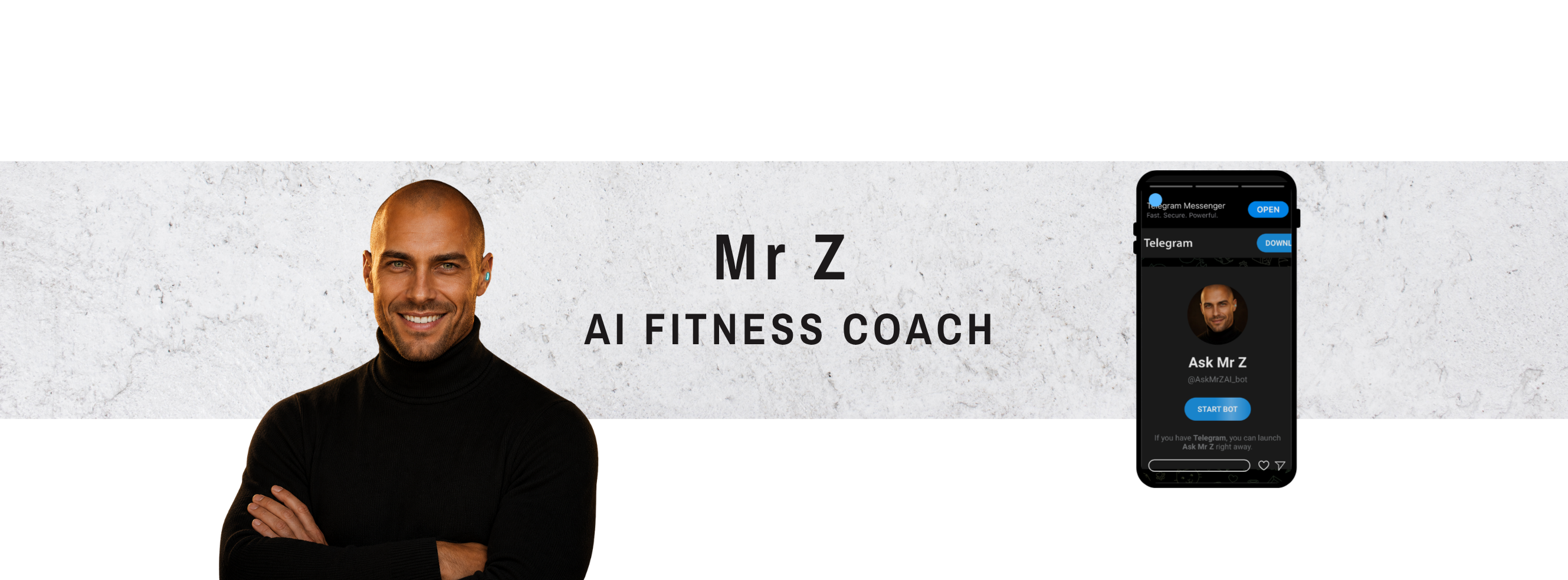
Alongside Andreea and Francesco's direct coaching, The Zōē Method includes access to Mr Z — an AI coaching assistant built by Francesco Zen on ZTraining's 18-year coaching methodology, available via Telegram between sessions for real-time questions on training days, travel, and nutrition choices.
Andreea Mighiu is a women's hormonal health educator and the founder of Zōē. She works alongside a registered dietitian and an endocrinologist to ensure content reflects current clinical understanding. She is an educator, not a physician — Zōē's content is designed to inform, not to replace personalised medical advice.