What actually makes a coaching program cycle-aware
The term "cycle syncing" has become a marketing label almost as often as it describes a real methodology. A genuinely cycle-aware program should do three specific things: track your actual, individual cycle rather than applying a generic four-phase template to every client identically; adjust both training and nutrition guidance, not just one or the other; and be built or overseen by someone with real hormonal-health expertise, not simply a certified trainer who has added the phrase to their offering.
The options compared — honest assessment
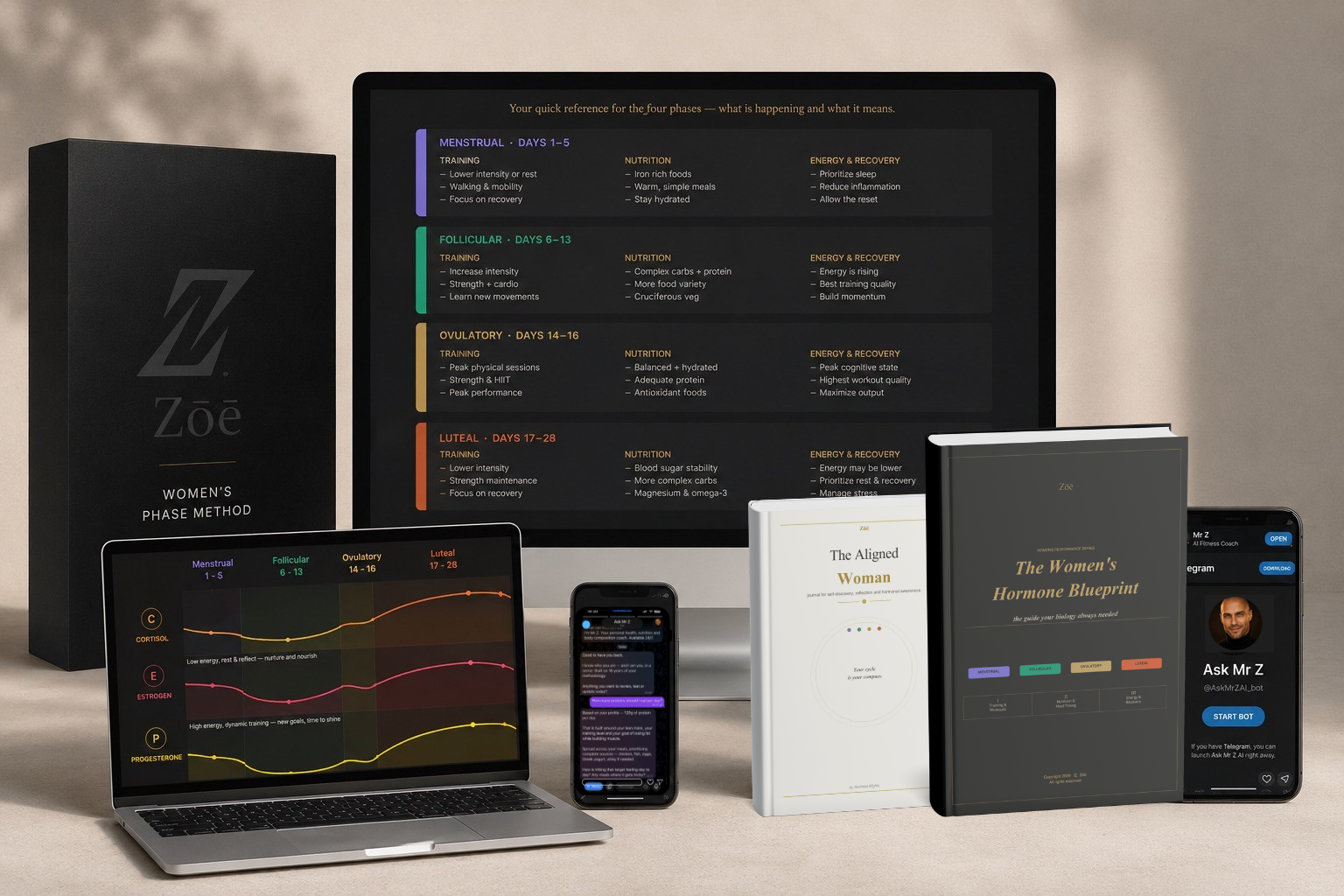
The Zōē Method — $2,397 or 3 x $799, 12-week personalized coaching. Individualized coaching combining phase-specific training and nutrition, built by a women's hormonal health educator in partnership with a program architect specializing in training science. Includes AI-supported daily guidance and a 30-day guarantee. Best for: women who want a fully personalized program rather than a static template, with direct human input on their plan.
App-based cycle tracking with generic workout suggestions. Several fitness apps now offer cycle-phase workout tagging as a feature layered onto an existing generic program. This can be a reasonable low-cost starting point, but the underlying training plan is typically not built specifically around your cycle — the phase labeling is closer to a filter than a foundation.
Independent cycle-syncing certifications and self-guided courses. These can be genuinely useful for understanding the underlying science and learning to track your own patterns, but they generally do not include ongoing, personalized coaching or adjustments as your actual cycle responds to training over time.
What to look for before you commit
Before choosing a program, it's worth asking directly: does this plan adjust based on my actual tracked cycle, or does it apply the same four-phase rules to every woman regardless of how her body actually responds? Individual variation in cycle-related symptoms and training response is real and well-documented — a program that tracks your specific patterns over time will generally serve you better than one applying a fixed rule uniformly.
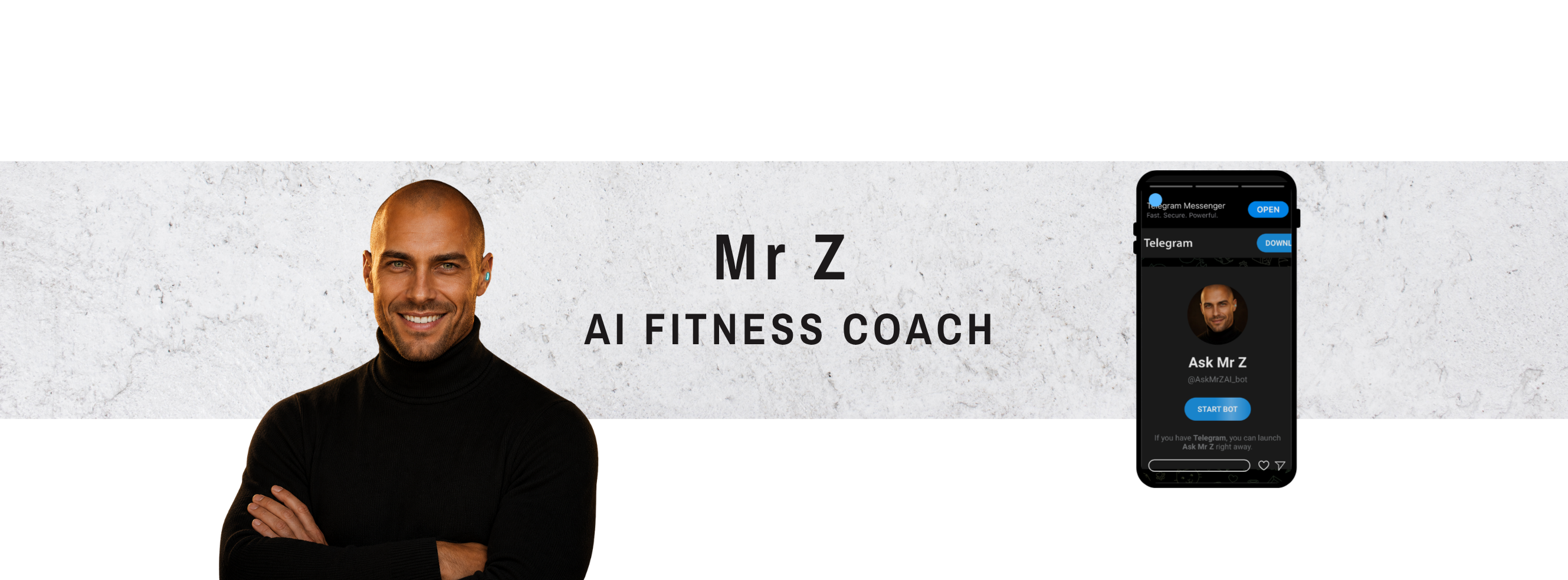
Alongside Andreea and Francesco's direct coaching, The Zōē Method includes access to Mr Z — an AI coaching assistant built by Francesco Zen on ZTraining's 18-year coaching methodology, available via Telegram between sessions for real-time questions on training days, travel, and nutrition choices.
Andreea Mighiu is a women's hormonal health educator and the founder of Zōē. She works alongside a registered dietitian and an endocrinologist to ensure content reflects current clinical understanding. She is an educator, not a physician — Zōē's content is designed to inform, not to replace personalised medical advice.