What alcohol does to your hormones — the specific mechanisms
Alcohol's hormonal effects are specific, measurable and begin with the first drink. Understanding them is body literacy — not moralising.
Liver estrogen clearance impairment. The liver metabolises estrogen through the cytochrome P450 enzyme system. When alcohol is present, this system prioritises alcohol metabolism over estrogen clearance. Estrogen accumulates in circulation for 24 to 48 hours. In women with estrogen dominance symptoms — heavy periods, PMS, breast tenderness — alcohol consistently worsens them specifically through this mechanism. Read more about estrogen dominance in women.
Progesterone disruption. Alcohol impairs corpus luteum function — the structure that produces progesterone in the luteal phase. Research shows measurable reductions in luteal phase progesterone levels in women who drink regularly. The progesterone drop amplifies premenstrual symptoms. Read more about low progesterone symptoms.
Cortisol elevation. Alcohol directly stimulates the HPA axis. A standard drink raises cortisol within 30 minutes. The morning cortisol awakening response — which sets the day's energy rhythm — is blunted after drinking, producing the flat, foggy feeling that accompanies even moderate alcohol consumption.
Sleep architecture disruption. Alcohol impairs REM sleep — the stage most associated with hormonal recovery. Even two drinks reduce REM sleep measurably. This sleep disruption compounds cortisol dysregulation and is one reason why drinking in the premenstrual week produces outsized hormonal consequences.
The phase-by-phase picture — when it matters most
Follicular phase (Days 6 to 13) — your most resilient window. Estrogen is rising from its monthly low. Cortisol sensitivity is at its lowest. Liver clearance is most efficient. Of all cycle phases, the follicular phase is where the body is most capable of managing alcohol's hormonal effects without significant disruption. If you drink socially, this is your most resilient window.
Ovulatory phase (Days 14 to 16). Estrogen is peaking. Adding alcohol elevates it further at an already high point. For women with estrogen dominance symptoms, drinking around ovulation can produce noticeable worsening in the following days as clearance is delayed.
Late luteal phase (Days 23 to 28) — your most sensitive window. Every hormonal effect of alcohol is amplified. Estrogen elevation worsens PMS. Progesterone disruption worsens premenstrual mood symptoms. Cortisol addition compounds the anxiety and reactivity of the premenstrual week. Sleep disruption compounds already impaired late luteal sleep. The same amount consumed here produces measurably worse hormonal consequences than in the follicular phase.
Practical implications — informed decisions not rules
This is body literacy, not abstinence advice. Knowing which phase is most resilient and which is most sensitive allows you to make decisions grounded in your actual hormonal reality rather than ignoring the biology or feeling guilty without understanding the mechanism.
If you drink socially, timing it to the follicular phase significantly reduces the hormonal impact. If you drink in the late luteal phase and notice worsening premenstrual symptoms — the mechanism is now clear.
The most practical mitigation strategies: Hydration — alcohol is diuretic and depletes magnesium. Taking magnesium glycinate before bed when you drink in the luteal phase directly addresses one of the key deficiencies alcohol creates. Cruciferous vegetables in the one to two days following drinking support liver estrogen clearance through DIM production — helping clear the accumulated estrogen.
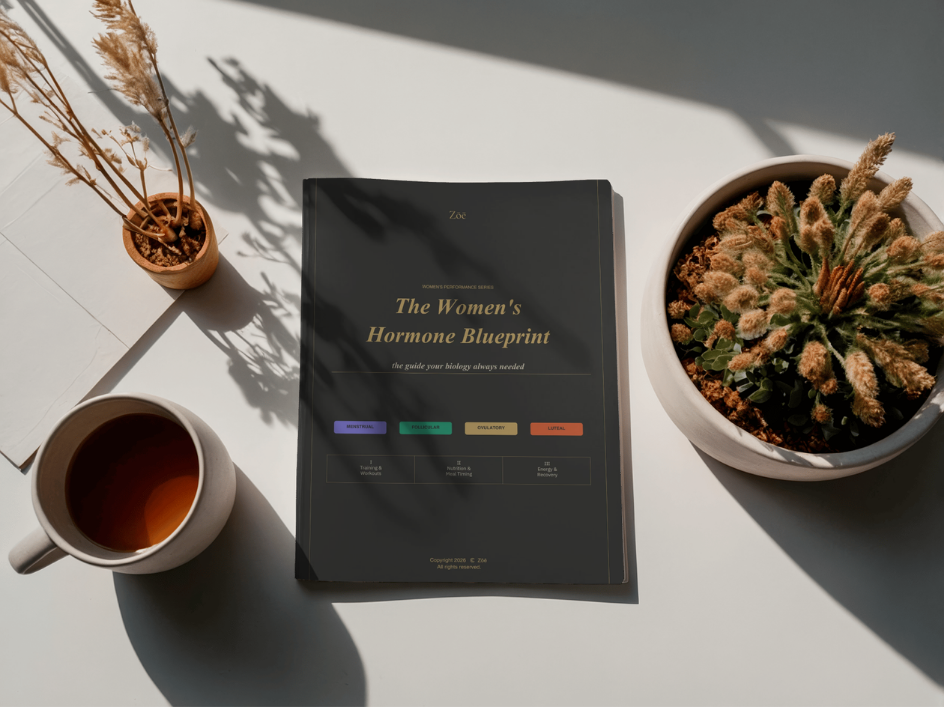
For the complete nutritional framework — phase-specific nutrition, what supports your hormonal environment and what works against it — the guide is The Women's Hormone Blueprint. The biology is there. The decision is always yours.